


Why Asking for What You Need Feels So Hard
When Needs Feel Unsafe
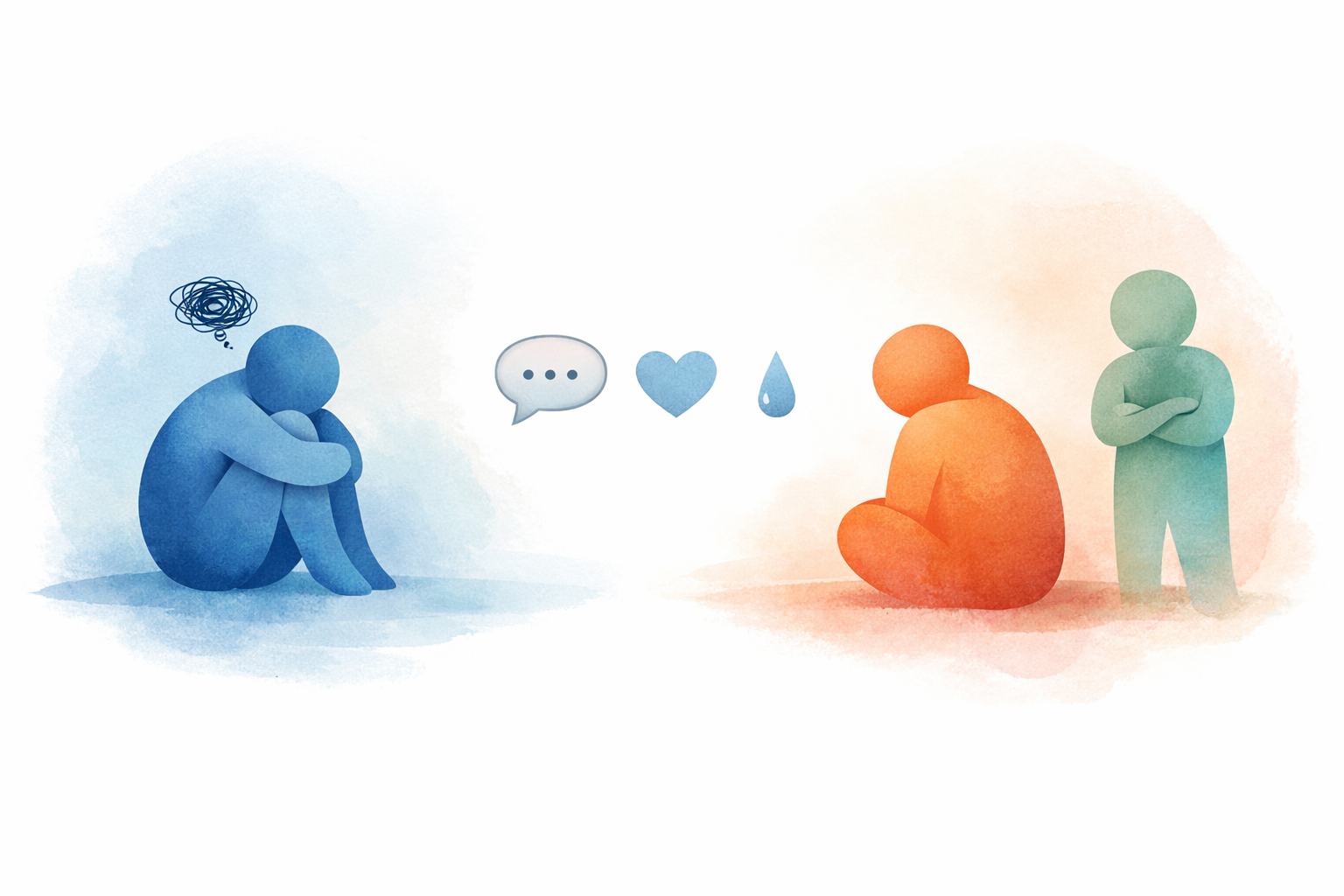
For many people, asking for what they need does not feel simple or natural. Instead, it can feel uncomfortable, anxiety-provoking, or even shameful. You may hesitate before speaking up, soften your requests, downplay their importance, or convince yourself that you should be able to handle things on your own. Even small needs can feel like too much to ask.
Often, this reaction has little to do with the present situation. It is shaped by earlier emotional experiences. If your needs were ignored, dismissed, criticized, or treated as a burden, you may have learned that asking for support comes with emotional risk. You may have learned that expressing need led to disappointment, conflict, or withdrawal from others.
Over time, these experiences become internalized. Even when you are surrounded by people who are capable of responding with care, your nervous system may still react as if asking is dangerous. The body remembers what the mind may no longer consciously recall.
How Early Experiences Shape This Pattern
When emotional needs are not met consistently in childhood, many people adapt by becoming self-reliant, emotionally quiet, or overly accommodating. These adaptations are not flaws. They are survival strategies. You learn to read the room, anticipate others’ needs, and minimize your own in order to preserve connection or avoid rejection.
As adults, these patterns often continue, even when they are no longer necessary. You may find yourself in relationships where you give more than you receive. You may struggle to express disappointment, hesitate to ask for reassurance, or feel guilty for wanting care, closeness, or support. You might tell yourself that your needs are unreasonable or that you are asking for too much, even when your requests are entirely reasonable.
These patterns are commonly explored in individual therapy as part of understanding emotional development and attachment. Therapy helps connect current difficulties with their emotional roots, allowing you to see these behaviors not as personal shortcomings, but as understandable responses to earlier experiences.
The Emotional Cost of Not Asking
Avoiding your needs does not make them disappear. Instead, unmet needs often show up indirectly. You may notice growing resentment, emotional withdrawal, burnout, or a sense of distance from others. You might feel unseen or unimportant without fully understanding why.
Over time, this can strain relationships and deepen feelings of loneliness. When needs remain unspoken, others are unable to respond to them. This can unintentionally reinforce the belief that support is unavailable or that you must handle everything alone.
Suppressing needs also takes emotional energy. Constant self-monitoring, minimizing, and emotional restraint can leave you feeling depleted or disconnected from yourself.
Learning to Express Needs in Therapy
Therapy offers a supportive space to explore what makes asking for needs feel so difficult. Rather than pushing you to be more assertive before you are ready, therapy focuses on understanding the emotional meaning behind the hesitation. Together, you explore what you learned about needing others and what feels at stake when you consider speaking up.
As trust develops within the therapeutic relationship, many people begin practicing expressing needs in small, manageable ways. These experiences can gently challenge long-held beliefs about rejection, burden, or emotional danger. Over time, new emotional expectations begin to form.
Learning to ask for what you need is not about becoming demanding or dependent. It is about recognizing that your emotional needs are valid, human, and worthy of attention.
Moving Toward Balance and Connection
Being able to express needs supports healthier, more balanced relationships. It allows for mutual understanding, emotional honesty, and deeper connection rather than quiet self-sacrifice.
If asking for what you need feels overwhelming or impossible, support can help.
MindSol Wellness Center offers individual therapy in Sarasota, Florida for adults navigating relationship patterns, emotional expression, and self-understanding.
Call (941) 256-3725 or visit www.mindsolsarasota.com to learn more.
