


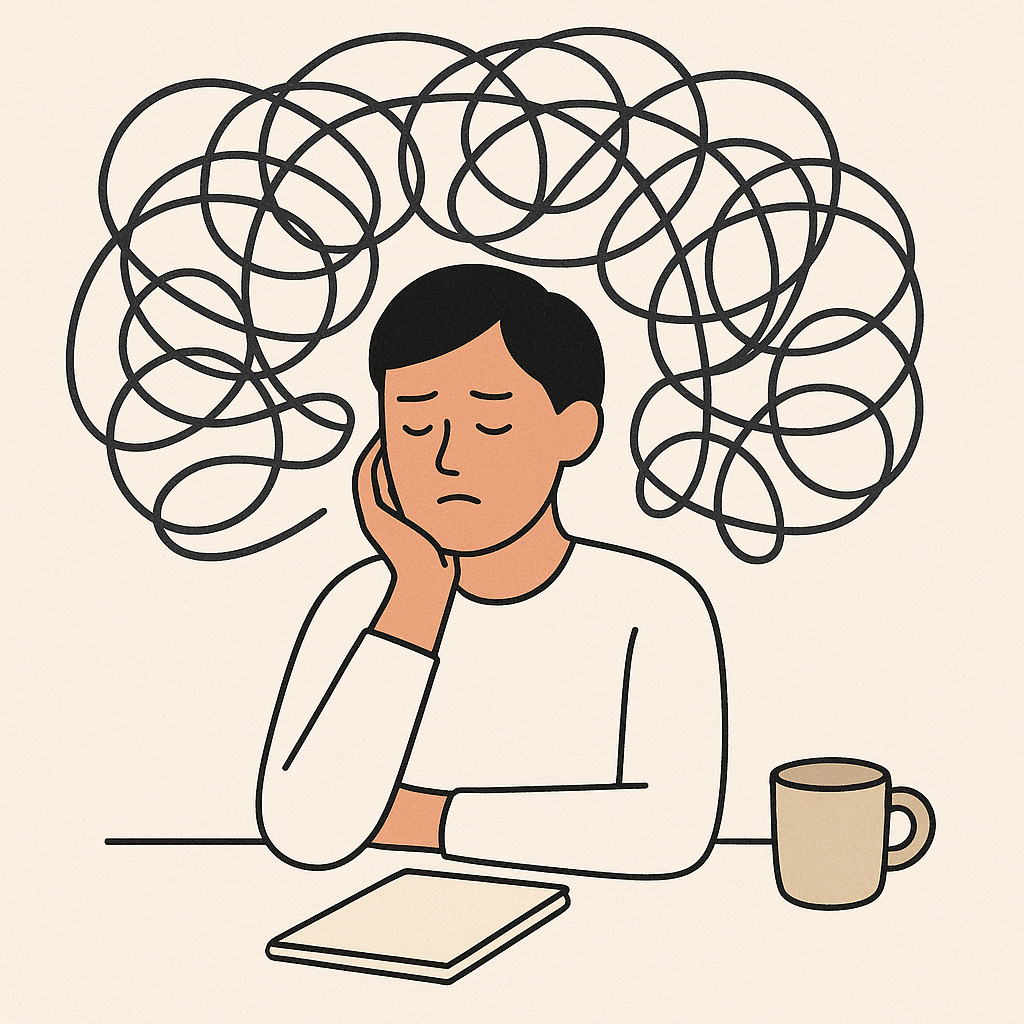
Many people describe their biggest mental health struggle as simply having “too much in my head.” They are not necessarily overwhelmed by one crisis or life event. Instead, they feel weighed down by dozens of small responsibilities, unending alerts and notifications, shifting priorities, and the pressure to constantly stay productive. This state has a name. It is called cognitive overload, and it has become one of the most common contributors to anxiety, irritability, burnout, and trouble focusing.
At MindSol Wellness Center, we see how often clients carry this invisible mental weight. Slowing down becomes difficult. Rest starts to feel unearned. Even simple decisions feel harder than they used to. Understanding what is happening in your mind is the first step toward getting relief.
What Exactly Is Cognitive Overload?
Cognitive overload occurs when the demands on your mental processing exceed what your brain can comfortably manage. This is not a character flaw or a sign of weakness. It is a natural response to sustained input.
Common contributors include:
• Constant multitasking. Switching between tasks interrupts your ability to think clearly and increases stress hormones.
• Too many open mental tabs. Errands, deadlines, texts, reminders, social expectations and emotional responsibilities all take up space.
• Information saturation. News, social media, and work notifications drain the same energy you need for emotional regulation.
• Unprocessed emotions. When feelings pile up without being addressed, they create background tension that makes everything feel harder.
Your mind becomes like an overloaded computer. It still runs, but everything takes more effort and nothing works as smoothly as it should.
How Cognitive Overload Shows Up in Daily Life
You may be experiencing cognitive overload if you notice:
• Trouble concentrating on even simple tasks
• Increased irritability or emotional reactivity
• Decision fatigue
• Forgetfulness
• Waking up tired despite sleeping
• A sense of being “behind” no matter how much you do
• Difficulty relaxing without feeling guilty
Many people assume these symptoms mean they are lazy or undisciplined. In reality, they are signals that your brain is working overtime.
Why Reducing Mental Load Can Feel So Hard
Most people try to reduce stress by working faster or becoming more organized, but cognitive overload is not a time-management problem. It is a capacity problem. When your internal bandwidth is maxed out, adding more systems, rules or pressure often increases the burden rather than easing it.
Therapy helps by identifying what is actually draining you. Often it is not the biggest responsibilities, but the constant low-level demands that never get acknowledged or addressed.
Strategies to Start Clearing Mental Space
These small but meaningful practices can help reduce overload:
1. Choose one “anchor task” each day
Instead of trying to finish everything, pick the single task that will matter most. Completing it gives your mind a sense of stability.
2. Build transition moments into your day
Brief pauses between responsibilities help your brain reset and reduce the feeling of being pulled in multiple directions.
3. Externalize your mental load
Write things down, use a notes app, or create a simple list. Getting tasks out of your head is a genuine form of stress relief.
4. Reduce unnecessary input
Silence notifications, unfollow accounts that drain you, and give yourself permission to disconnect from constant information.
5. Talk through what feels heavy
Therapy creates space for unpacking the emotional and cognitive weight you have been carrying alone. Once the load is named, it becomes easier to manage.
Working with a Therapist to Rebalance Your Mental Capacity
Cognitive overload is treatable. A therapist can help you understand your internal patterns, build healthier boundaries, and create sustainable habits that protect your mind instead of overworking it. You do not need to keep functioning at the edge of burnout. Support is available, and small shifts can lead to significant relief.
If you are feeling mentally maxed out or unsure why everything feels harder lately, reaching out for help can make a real difference.
MindSol Wellness Center
To schedule an appointment or learn more, visit www.mindsolsarasota.com or call (941) 256-3725.
